
Walking Stability and Fall Prevention: What You Need to Know
Why Walking Stability Matters More Than Ever
Falls are one of the leading causes of injury among older adults. According to the Centers for Disease Control and Prevention, millions of adults aged 65 and older experience falls each year, often resulting in fractures, hospitalizations, and long-term loss of independence.
Walking stability is not just about balance—it reflects the overall integrity of strength, coordination, neurological control, and joint function. When stability declines, the risk of falls increases significantly.
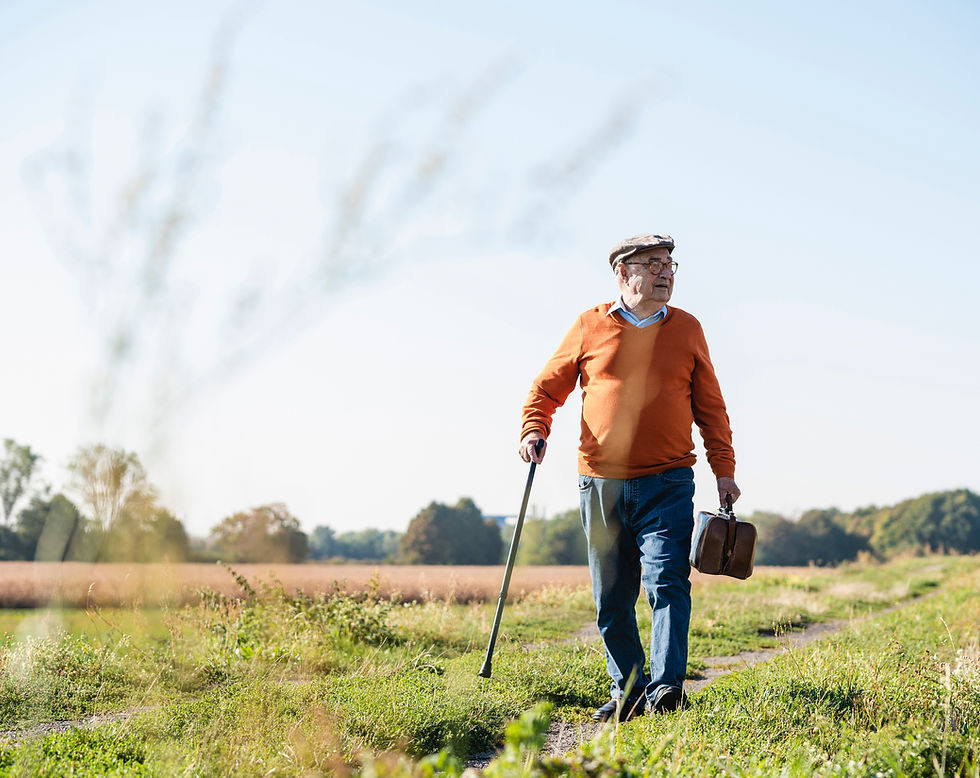
Understanding the Root Causes of Instability
Walking instability is typically multifactorial. Key contributors include:
Muscle weakness, particularly in the lower body
Impaired balance and coordination
Joint stiffness or pain, especially in the hips, knees, and ankles
Neurological changes, affecting reaction time and control
Vision and sensory decline, reducing spatial awareness
The National Institute on Aging emphasizes that falls are rarely caused by a single issue—they result from the interaction of physical, neurological, and environmental factors.
Early Warning Signs You Should Not Ignore
Subtle changes often precede falls. These include:
Slower walking speed
Difficulty standing from a seated position
Unsteadiness on uneven surfaces
Frequent tripping or near-falls
Hesitation or fear while walking
Identifying these early signals allows for timely intervention before a serious fall occurs.
A Better Approach: Proactive Fall Prevention
Modern fall prevention focuses on prevention, not reaction. Effective strategies are structured, measurable, and individualized.
1. Strength and Mobility Training
Lower-body strength is a primary determinant of stability.
Key focus areas:
Quadriceps and hip strength
Core stability
Ankle mobility and control
Evidence shows that targeted exercise programs can significantly reduce fall risk and improve walking confidence.
2. Balance and Gait Training
Balance is a trainable skill. Structured programs include:
Static and dynamic balance exercises
Gait retraining to correct walking patterns
Dual-task training (walking while performing cognitive tasks)
These interventions improve coordination and reduce instability during real-world movement.
3. Fall Risk Assessment and Monitoring
A comprehensive assessment identifies individual risk factors, including:
Strength and mobility limitations
Postural alignment issues
Environmental hazards
Ongoing monitoring ensures that interventions remain effective and adaptive over time.
4. Environmental Modifications
A significant percentage of falls occur at home. Simple adjustments can reduce risk:
Removing tripping hazards (loose rugs, clutter)
Improving lighting
Installing grab bars and handrails
Creating a safer environment supports independence while minimizing preventable risks.
5. Addressing Fear of Falling
Fear itself can contribute to instability by altering movement patterns and reducing activity levels.
Interventions include:
Gradual exposure to movement
Confidence-building exercises
Education on safe mobility
Reducing fear helps restore natural, stable movement.
The Role of Integrated Care
The World Health Organization highlights that effective fall prevention requires a multifactorial approach, combining physical training, medical management, and environmental support.
Integrated care models ensure:
Coordination between healthcare providers
Personalized intervention plans
Continuous reassessment and adjustment
This approach delivers more consistent and sustainable outcomes.
The Impact of Early Intervention
Delaying intervention increases the likelihood of:
Recurrent falls
Progressive mobility decline
Loss of independence
In contrast, early and structured care leads to:
Improved balance and strength
Reduced fall risk
Greater confidence in daily activities
Fall prevention is most effective when implemented before the first serious fall occurs.
Key Elements of an Effective Fall Prevention Plan
A high-quality plan should include:
Comprehensive mobility and balance assessment
Individualized strength and gait program
Environmental safety evaluation
Ongoing progress tracking
Education and support for sustained adherence
This ensures that care is targeted, measurable, and aligned with long-term independence goals.
A Forward-Looking Perspective
Advancements in healthcare are shifting fall prevention toward:
Data-driven movement analysis
Personalized rehabilitation programs
Integration of physical and cognitive training
The focus is clear: preserve mobility, prevent injury, and extend functional independence.
Conclusion
Walking stability is a critical foundation of independence. A proactive, structured approach to fall prevention—combining strength, balance, environmental safety, and integrated care—offers a more effective path forward.
By addressing risk factors early and comprehensively, individuals can maintain confidence, mobility, and quality of life over the long term.


Comments