
Chronic Pain in Older Adults: A Better Way to Manage It
- Apr 13
- 3 min read
The Growing Challenge of Chronic Pain in Aging Populations
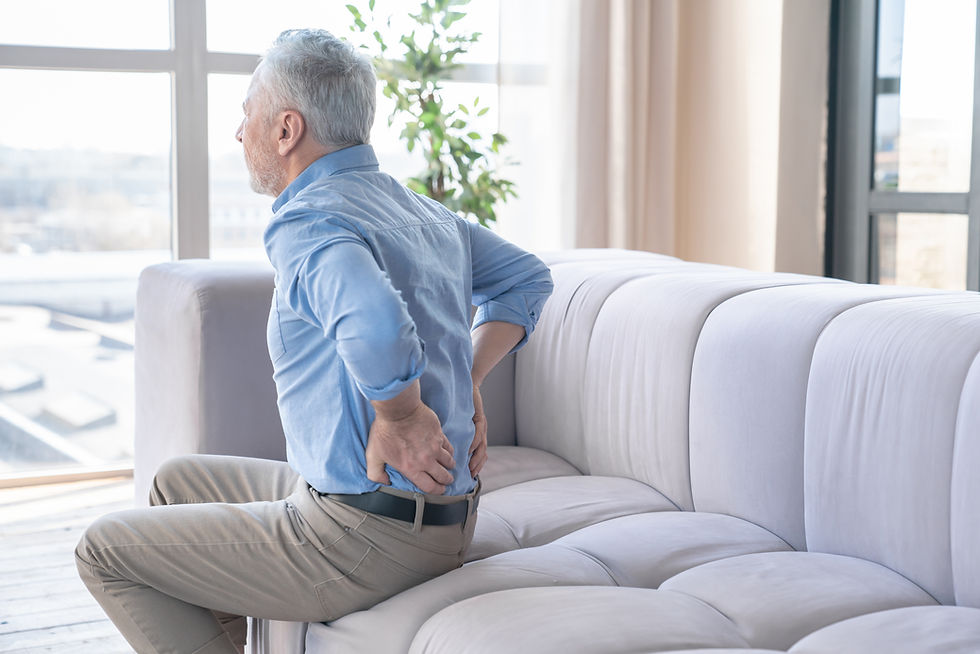
Chronic pain is one of the most common and complex health concerns among older adults. The World Health Organization estimates that a significant proportion of adults over 60 experience persistent pain, often linked to conditions such as osteoarthritis, neuropathy, and musculoskeletal degeneration.
Unlike acute pain, chronic pain is not just a symptom—it becomes a long-term condition that affects mobility, independence, mental health, and overall quality of life.
Why Traditional Pain Management Falls Short
Historically, pain management has relied heavily on medications. While appropriate in certain cases, this approach has limitations:
Temporary symptom relief without addressing root causes
Risk of side effects, especially in older adults
Potential for dependency with long-term use
The Centers for Disease Control and Prevention has emphasized the need to reduce reliance on opioids and prioritize multimodal, non-pharmacological strategies whenever possible.
Understanding Chronic Pain as a System-Level Issue
Chronic pain is rarely isolated. It often involves:
Musculoskeletal dysfunction (joint wear, muscle imbalance)
Nervous system sensitization (heightened pain signaling)
Reduced physical activity, leading to deconditioning
Psychological factors, including stress and anxiety
The National Institute on Aging highlights that chronic pain in older adults is best managed through a whole-person approach, rather than treating symptoms in isolation.
A Better Approach: Integrated Pain Management
Modern care models focus on addressing pain through coordinated, multi-dimensional strategies.
1. Movement and Functional Rehabilitation
Maintaining mobility is central to pain reduction and independence.
Effective strategies include:
Targeted strength and mobility training
Balance and gait improvement
Joint stabilization and posture correction
Evidence shows that structured physical activity can significantly reduce pain intensity and improve function in older adults.
2. Neuromuscular and Movement Re-Education
Pain is often driven by how the body moves, not just structural damage.
Interventions focus on:
Correcting movement patterns
Improving muscle activation
Reducing compensatory strain
This approach addresses the underlying dysfunction contributing to chronic pain.
3. Lifestyle and Recovery Optimization
Recovery capacity declines with age, making lifestyle interventions critical:
Sleep optimization
Nutritional support for inflammation control
Hydration and metabolic health
Emerging research continues to highlight the role of systemic inflammation in chronic pain, reinforcing the need for comprehensive care.
4. Cognitive and Behavioral Strategies
Pain is influenced by both physical and neurological factors.
Approaches such as:
Cognitive behavioral strategies
Stress regulation techniques
Education about pain mechanisms
can reduce pain perception and improve coping capacity.
5. Minimizing Over-Reliance on Medication
Medications may still play a role, but modern strategies emphasize:
Using the lowest effective dose
Avoiding long-term dependency
Combining medication with non-drug therapies
This aligns with evolving clinical guidelines from leading public health organizations.
The Role of Early and Structured Intervention
Delayed care often leads to:
Progressive mobility loss
Increased fall risk
Greater dependency
In contrast, structured and early intervention supports:
Preservation of strength and balance
Reduction in pain severity
Improved long-term outcomes
Chronic pain is far more manageable when addressed before significant functional decline occurs.
Key Elements of an Effective Pain Management Plan
A high-quality care plan for chronic pain should include:
Comprehensive assessment (physical, functional, and lifestyle factors)
Individualized treatment strategy
Ongoing progress tracking and adjustments
Integration of physical, cognitive, and environmental interventions
This ensures care is adaptive, measurable, and aligned with long-term independence goals.
A Forward-Looking Perspective
The future of chronic pain management is shifting toward
:
Personalized, data-informed care
Non-invasive and function-focused interventions
Integration of physical and neurological therapies
The goal is not simply to reduce pain—but to restore function, maintain independence, and improve quality of life.
Conclusion
Chronic pain in older adults requires more than symptom control. A comprehensive, integrated approach—focused on movement, lifestyle, and whole-person care—offers a more effective path forward.
By addressing root causes and supporting functional health, it is possible to manage pain while preserving independence and long-term well-being.


Comments